




Vol.6 横山又次郎と明治・大正の恐竜本
実は私は恐竜に関する書籍も集めています。しかも集めるだけでなく、かつて日本で出版された全ての恐竜本(極少しでも、たとえ表紙だけでも、恐竜が出ていれば“恐竜本”と認定しています)の記載を目指した「日本の恐竜本リスト」なるものも作っています。90年代初めに大学ノートから始めたリストは2012年5月現在3772冊を数え(その内持っているのは半分強位?)さらに、全ての本が電子書籍に置き換わるか、あるいは日本国が滅亡するまで増え続ける訳ですから、死ぬまでやめるわけにはいかない(願わくば、誰かに引き継いでほしい)ライフワークとなっています。
そのリストを年代順に並べると5番目に登場するのが、横山又次郎理学博士による明治27年(1894)発行の「化石学教科書」です。
1992年、恐竜倶楽部会報「DINO」誌上で、1842年にリチャード・オーウェンによって考案された単語「Dinosaur」を「恐竜(龍)」と訳したのは、いつ?誰?という話題が持ち上がりまして、おそらく、上記の「化石学教科書」に記された恐龍類(Dinosauria)というが最初だろうという事になりました。私など、国会図書館まで行き、マイクロフィルムに収められた「化石学教科書」から恐竜周辺のページをコピーして、意気揚々と会報に発表したものです。
1994年にはあの伝説の恐竜専門誌「恐竜学最前線」の6号で伊藤“骨学”恵夫さんが「恐竜学事初め」と題して同様な内容をかなり詳しく書いています。
あれから20年。ネットのおかげで、国会図書館のマイクロフィルムでしか見ることができなかった「化石学教科書」をはじめ、横山又次郎博士の恐竜関係の著作の数々が我家の本棚に収まっています。しかも驚くべきことに、国会図書館でマイクロフィルムをお金と時間をかけてコピーしなくても、これら貴重な本の内容がネットで自由に閲覧・コピーできるのです。えらい世の中になったものです。
それでは、私の横山又次郎コレクションを、それぞれの内容のURLと恐竜が出てくる「ページ」(実際のページではなく画面の上にある□/総ページ)を添えて自慢しますがその前に、まずは日本の恐竜学の開祖、横山又次郎先生のお顔を拝みましょう。
 横山又次郎(人物<冨山房五十年>より)
プロフィールはこちらをどうぞ
https://kotobank.jp/word/%E6%A8%AA%E5%B1%B1%E5%8F%88%E6%AC%A1%E9%83%8E-146087 https://www.weblio.jp/content/%E6%A8%AA%E5%B1%B1%E5%8F%88%E6%AC%A1%E9%83%8E

写真 1 「化石学教科書・中巻」(明治27年)
*これをネットの古本屋サイトで見つけた時は震えました。(しかも意外なほど安かった!)
http://kindai.ndl.go.jp/info:ndljp/pid/831231 94/145
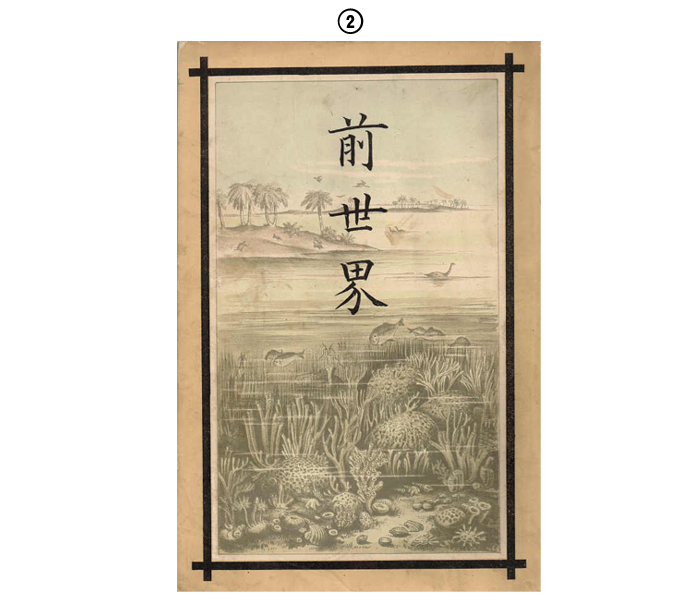
写真 2 「前世界」(明治31年)
http://kindai.ndl.go.jp/info:ndljp/pid/831264 36/53

写真 3 「生物の過去と未来」(明治35年)
http://kindai.ndl.go.jp/info:ndljp/pid/901959 6/32

写真 4 「古生物学」(明治40年)
*全3巻の化石学教科書を一冊にまとめ改題したもの。
http://kindai.ndl.go.jp/info:ndljp/pid/901867 176/299

写真 5 「前世界史」(大正7年)
http://kindai.ndl.go.jp/info:ndljp/pid/956582 209/356
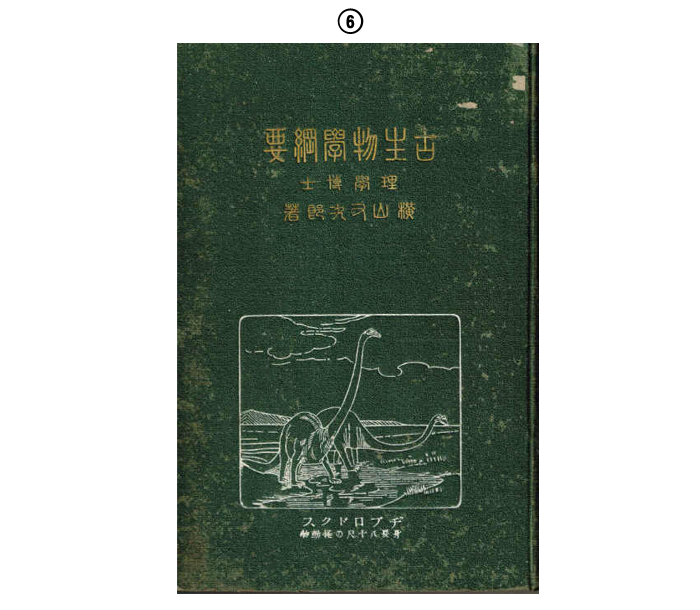
写真 6 「古生物学綱要」(大正9年)
http://kindai.ndl.go.jp/info:ndljp/pid/960386 248/418
「恐竜本リスト」の1〜4番目は、恐竜という単語が生まれる以前の恐竜本ということになります。残念ながら3番目以外は入手していませんが、「恐竜学最前線」の記事とネットで情報を得ることができました。
「生種原始論」(明治12年)
トーマス・H・ハクスリー著、井澤修二訳
この本はネットでの閲覧はできませんが、「最前線」の伊藤さんによると、羽指蛇(テロダクチル)、魚蛇(イキシオサウラス)、蜥類蛇(プレシオサウラス)がイラストと共に紹介されていて(後述する完全版で閲覧可能)、となるとこの訳者はsaurを蛇としたのか…でもテロダクチルには当てはまりませんね。
「動物進化論」(明治16年)
エドワルド・モールス口述、石川千代松筆記
訳語はありません。
http://kindai.ndl.go.jp/info:ndljp/pid/832826/5
ダイノサウリアンス(他にマストドン、プテロダクチル、アムモナイト) 22/87
ダイノサウラス 79/87
試しに古本屋サイトで検索したら一冊あったのですが、な、なんと!157500円!

写真 7 「拍案驚奇・地底旅行」(明治18年)
ジュール・ヴェルヌの地底旅行、初翻訳本です。これもかって国会図書館でマイクロフィルムでお目にかかった本。ネットで見つけて、大枚4万何千円をはたいて衝動買いしました。
http://kindai.ndl.go.jp/info:ndljp/pid/897051
本編第十回にプレヂオザーブルVSイクチオザーブルの有名な対決シーンがあります。55/144
挿絵も原書の物が随所に使われていますが、ネットでは黒くつぶれてほとんど見えないので紹介は割愛します。同挿絵は岩波文庫版などで見ることが出来ます。
本の後半は「地球の出生及び沿革」と題した、科学読み物になっています。 91/144
本編にも登場したプレヂオザーブル、イクチオザーブルの他、ゲレオザーブル、プテロダクチーリ、そして恐竜ではメガロザーブルとイグアノドンが紹介されますが、もちろん「恐竜」の語句は有りません。 129/144
「進化原論」(明治22年)
先の「生種原始論」の完訳版です。ネットで閲覧できます。イラストはこちらで。 41/151
「恐竜学最前線・恐竜学事始め」のもう一つのテーマは、当時、恐竜以外にDinosaurの訳語は無かったのか?というもの。伊藤さんは恐蜴(キョウエキ?)なる訳語が存在したらしいが、出典が確認できないと書いています。で、これがその出典です。(と書きつつ我ながらどや顔になっている)

写真 8 「動物学提要」(大正7年)
950pもある、図版も充実した箱入りの立派な本です。恐蜴はここです。 445/506
さらに昭和になってからですが。恐蜥(キョウセキ?)という訳語も有りました。
「世界及生物の起源と終滅」石井重美著(白揚社 昭和7年)
ネットに無いのでちょっと原文を紹介
「此のカンガルーのやうな形をした爬蟲は、有名な恐蜥(Dinosauria)といふ部類に属するも
ので〜」
明治・大正の恐竜本特集、最後にちょっとタイムスリップしたような気分になる、感動的?
な雑誌の記事をご覧下さい。大正13年4月号の「科学知識」の記事。
“前年”に行われた、アンドリュース隊の成果のリポートです。

写真9 表紙

写真10 記事
← Older Post Newer Post →

田村 博 Hiroshi Tamura
ジャズピアニスト。1953年1月27日生まれ。
恐竜倶楽部草創期からのメンバー。恐竜グッズ収集家として知られる。東京、横浜のライブハウスを中心に活動中。
1996年に、ベースの金井英人のグループの一員としてネパールでコンサートを行った。「開運なんでも鑑定団」などテレビ番組や雑誌に度々登場。「婦人公論」2002年7/22号で糸井重里氏連載の「井戸端会議」で国立科学博物館研究室長・富田幸光氏と対談。千葉県市川市のタウン誌「月刊いちかわ」に、恐竜に関するエッセイを半年間連載。1998年の夏には群馬県と福島県の博物館の特別展にコレクションを提供。2000年夏には福井県「恐竜エキスポふくい2000」にコレクションを提供、サックス奏者、本多俊之とのデュオで、恐竜をテーマにしたコンサートを行った。