

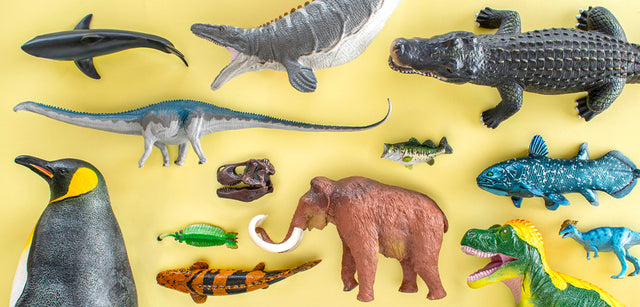
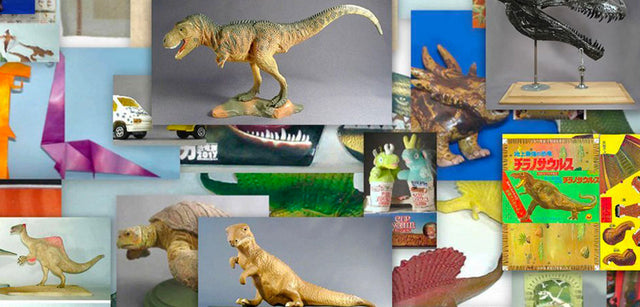
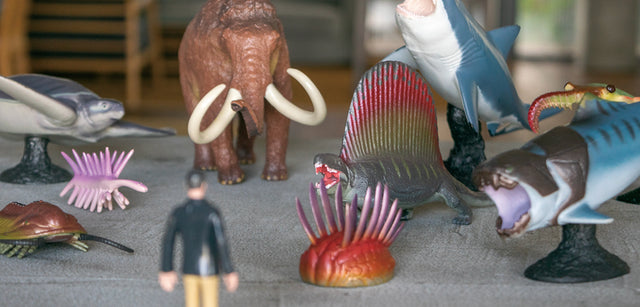
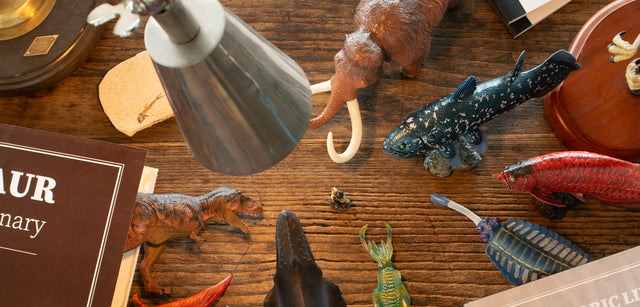
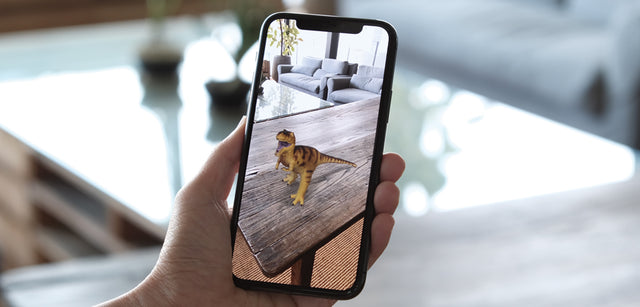





Playable Prehistoric Life Figures Made of Soft, Durable Material
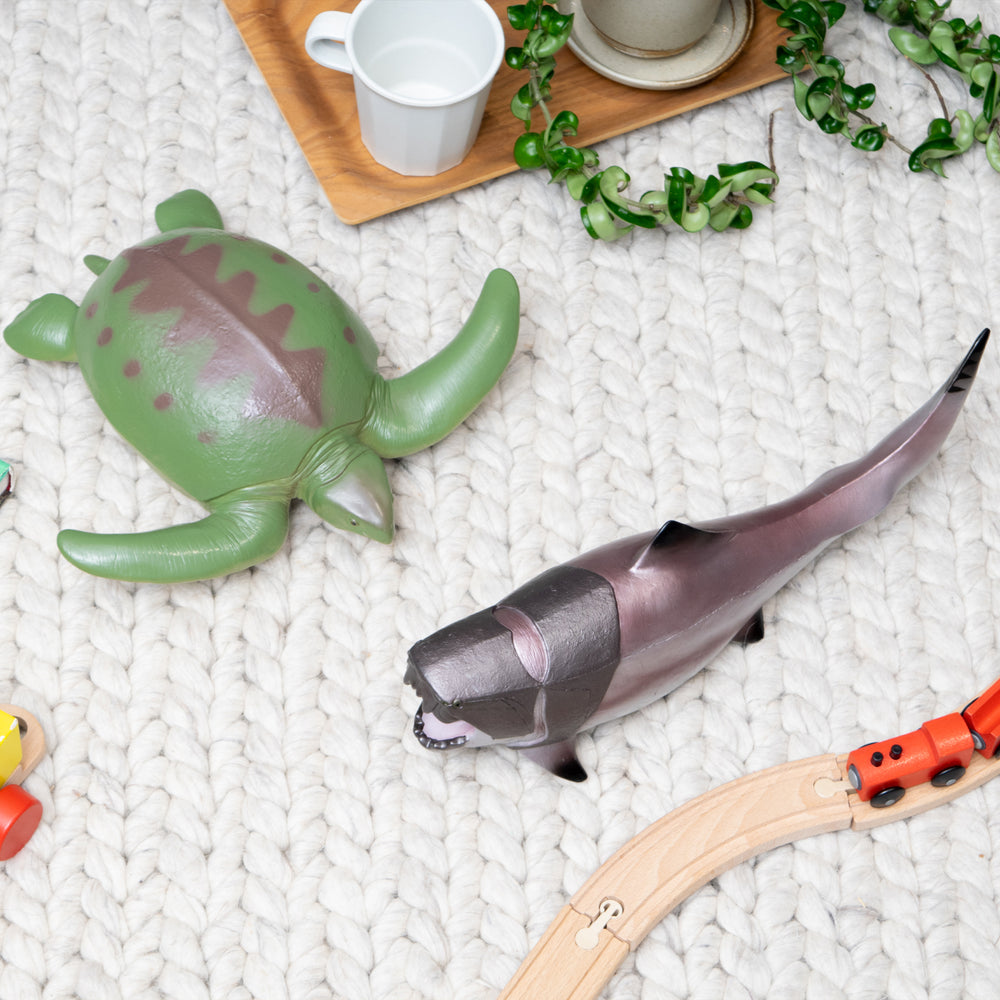
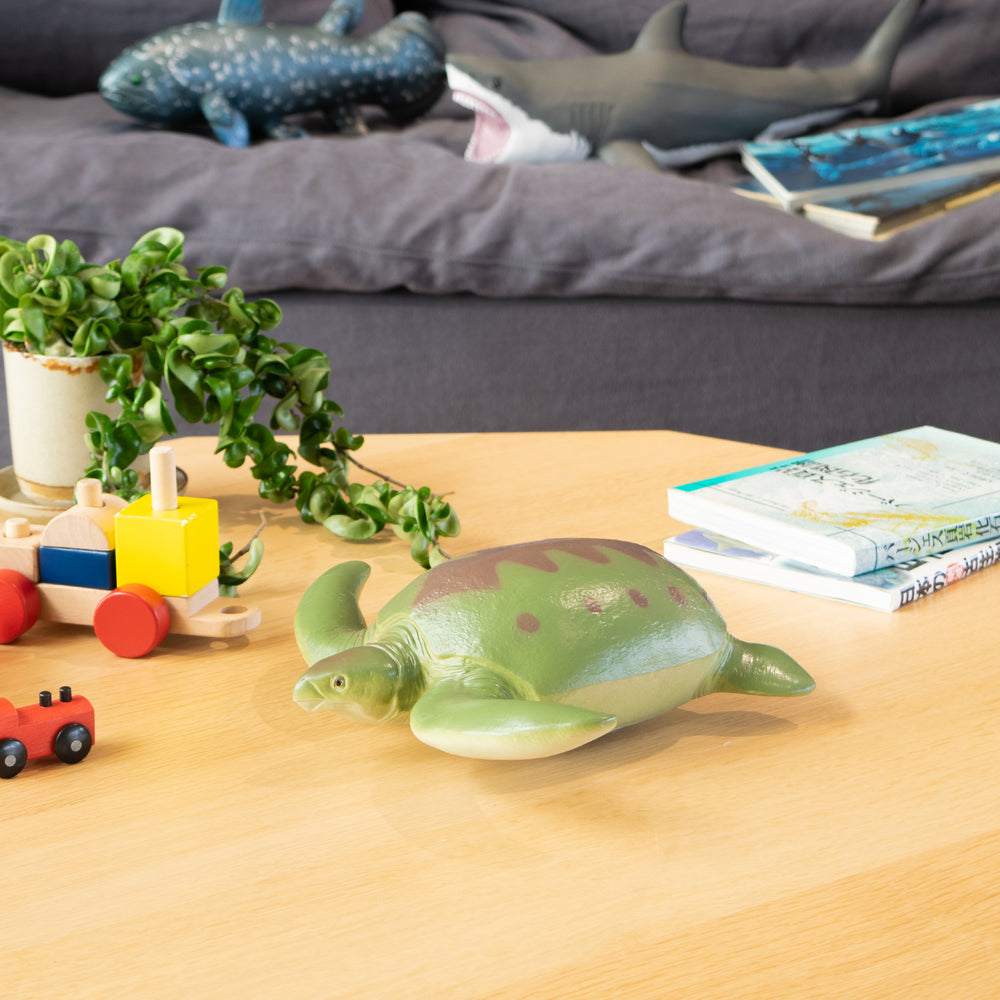
A Vinyl Model of Archelon, the largest known sea turtle. Made from child-friendly materials, it can be enjoyed safely in the living room or a child’s room.
Archelon
Classification: Testudines/Protostegidae
Size: Body length approx. 4 meters
Period: Campanian, Late Cretaceous, Mesozoic Era
Archelon
Interview with Supervisor Hirokazu Tokugawa
- The largest known sea turtle, Archelon, is now available as both a Soft Model and a Vinyl Model. Mr. Tokugawa, what features and overall image of Archelon did you want to convey?
- The obvious answer is “a really huge turtle,” of course (laughs). When I was a child, I could only imagine its size from encyclopedia data and skeletal images, but today replicas of its skeleton can be seen in several places in Japan. I was amazed by its size when I first saw a complete skeleton.
- At first glance, Archelon seems to share some features with the modern leatherback turtle. What are the specific differences between them?
- My impression is that the main similarity is the skin-covered shell; in the shape of the shell and head, Archelon is not especially similar to the leatherback. Both are quite unusual compared with familiar sea turtles such as green and loggerhead turtles, and in some ways the leatherback seems even more unusual than Archelon.
- You created the prototype. What concept guided your work?
- I wanted to convey its enormous size, but that was difficult within the product’s dimensions, so I focused on giving it a slow, graceful swimming motion.
- What references, creatures, or images did you use during development? Were there any details you paid particular attention to while sculpting?
- Although they are more different than one might expect, the leatherback was still an important reference. It is unusual to have a living animal that is relatively closely related and can serve as a reference for reconstructing a giant animal from the dinosaur era. Because Archelon has a simple shape without conspicuous spikes or tusks, I paid particular attention to the skeletal outline before adding musculature and to how the body shape changed with the amount of flesh. Professor Hirayama’s supervision was invaluable.
- The Soft Model and Vinyl Model have different color schemes. What ideas or references inspired each version?
- With Professor Hirayama’s advice, the Soft Model was based partly on the pig-nosed turtle, also taking into account the possibility that Archelon spent more time in shallow water than the leatherback. For the Vinyl Model, I wanted to distinguish it from the Soft Model and referenced the softshell turtle, which also has a skin-covered shell. Its size is also similar to that species.
- Finally, could you share your comments on this model?
- Archelon
Supervisor Profile
Hirokazu Tokugawa
paleoartist/prehistoric lifereconstruction model artist
A dinosaur reconstruction model artist who creates works that combine academic research with the appeal of three-dimensional art, he is also a leading specialist in prehistoric life reconstruction models.