

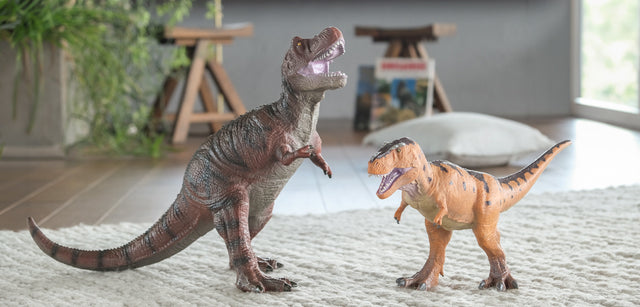
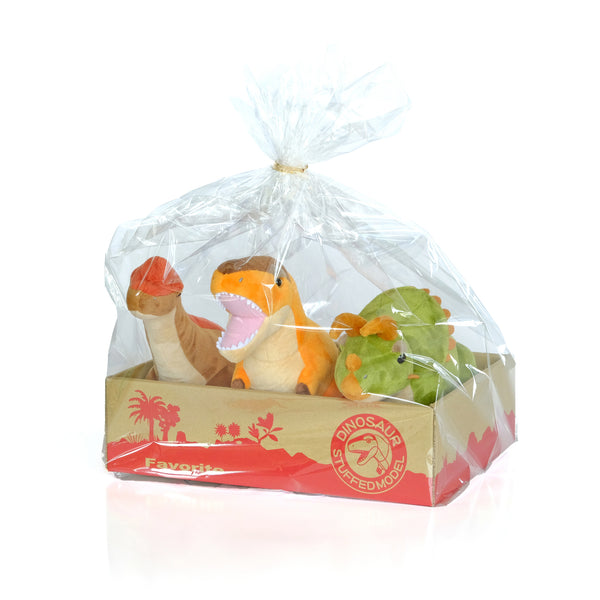


Dinosaur Stuffed Models that are more than just “cute”
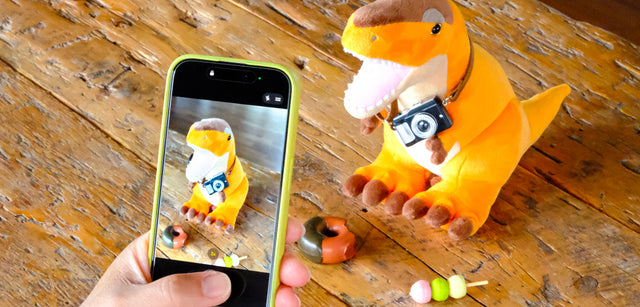
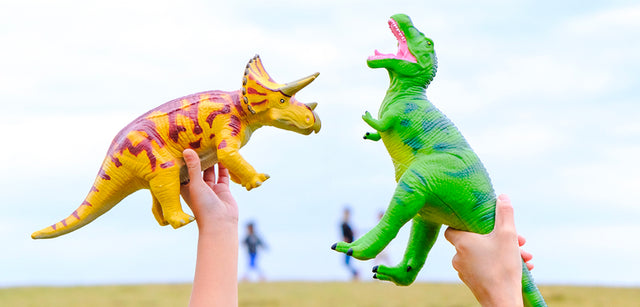
Its cute, stylized form captures the distinctive three horns and frill of a Triceratops plush. This “cute dinosaur” is designed to be enjoyed by children and adults alike.
TriceratopsTriceratops
Classification: Ornithischia/Ceratopsia/Ceratopsidae
Size: Total length 7–9 meters
Period: Late Cretaceous
One of the largest ceratopsian dinosaurs, Triceratops lived during the Late Cretaceous and is highly recognizable alongside Tyrannosaurus. It is characterized by three long horns on its nose and above its eyes, from which its name is derived. Various theories have been proposed about the functions of these horns and the frill extending from the back of the head over the neck, including intimidation and defense against predators, as well as territorial competition and courtship between members of the same species.

Interview with Supervisor Hirokazu Tokugawa
- Plush toys have a distinctive stylized look, and their charm and soft feel appeal to people of all ages, from young children to adults. Favorite is adding a new plush series called Stuffed Model. What are your impressions of plush toys?
- I have long been interested in how to design dinosaurs and other animals to suit the materials and scale of plush toys. I enjoy looking at plush products in museum shops in Japan and abroad, and over time I developed many ideas about how I would approach them myself. The Stuffed Model series gave me the chance to try out the dinosaur plush concepts I had been developing for years.
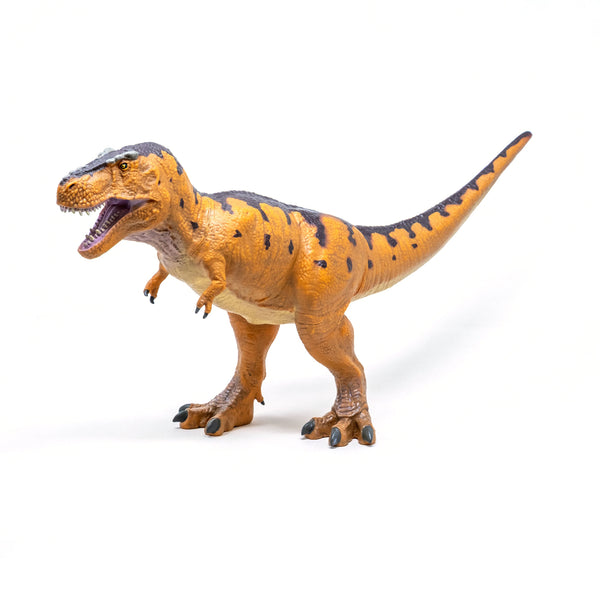
- The concept was to create a “cute dinosaur” while still capturing the defining features of the real animal, allowing personality and charm to coexist. Mr. Tokugawa supervised the project from the initial illustrations through the expression of each dinosaur’s features. What details did you especially want to convey in Tyrannosaurus, and what are its highlights?
- With clear features such as its horns and frill, and limbs and tail that are not too slender, Triceratops was relatively easy to adapt into a plush toy. Since Tyrannosaurus was designed first, I aimed for a style that would look natural when displayed beside it.
- The dinosaurs use subdued colors that fit naturally into everyday spaces. Were there any particular images or motifs that inspired the Tyrannosaurus color scheme?
- Since the Tyrannosaurus colors had already been decided, I chose a subdued green for Triceratops to create a contrast when the two are displayed together.
- Finally, could you share your overall impressions of the Stuffed Model series and a message for those who will be picking one up?
- My impression of developing the Stuffed Model series is that it was challenging but fun. Unlike reconstruction models, plush toys are constrained by their size and the fabric and materials used, so it is not always possible to achieve the exact shape you want. Finding ways to express both dinosaur character and cuteness within these limitations is difficult, but it is also a rewarding opportunity to rediscover what makes dinosaurs appealing.
Supervisor Profile
Hirokazu Tokugawa
paleoartist/prehistoric lifereconstruction model artist
A dinosaur reconstruction model artist who creates works that combine academic research with the appeal of three-dimensional art, he is also a leading specialist in prehistoric life reconstruction models.