






Playable Prehistoric Life Figures Made of Soft, Durable Material
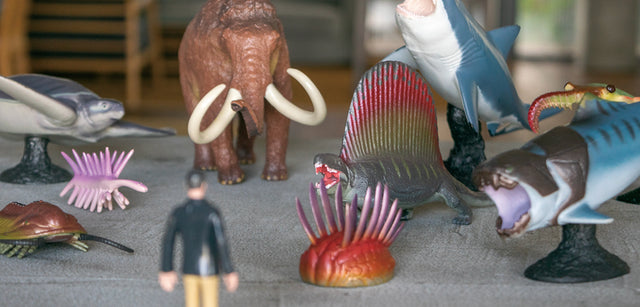
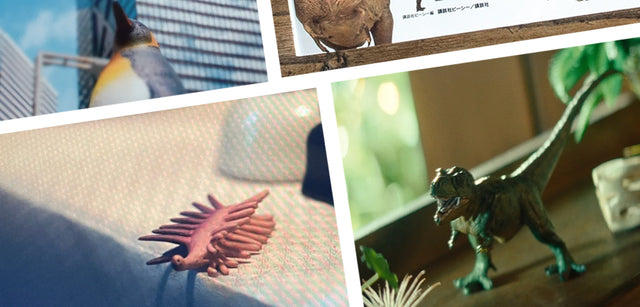
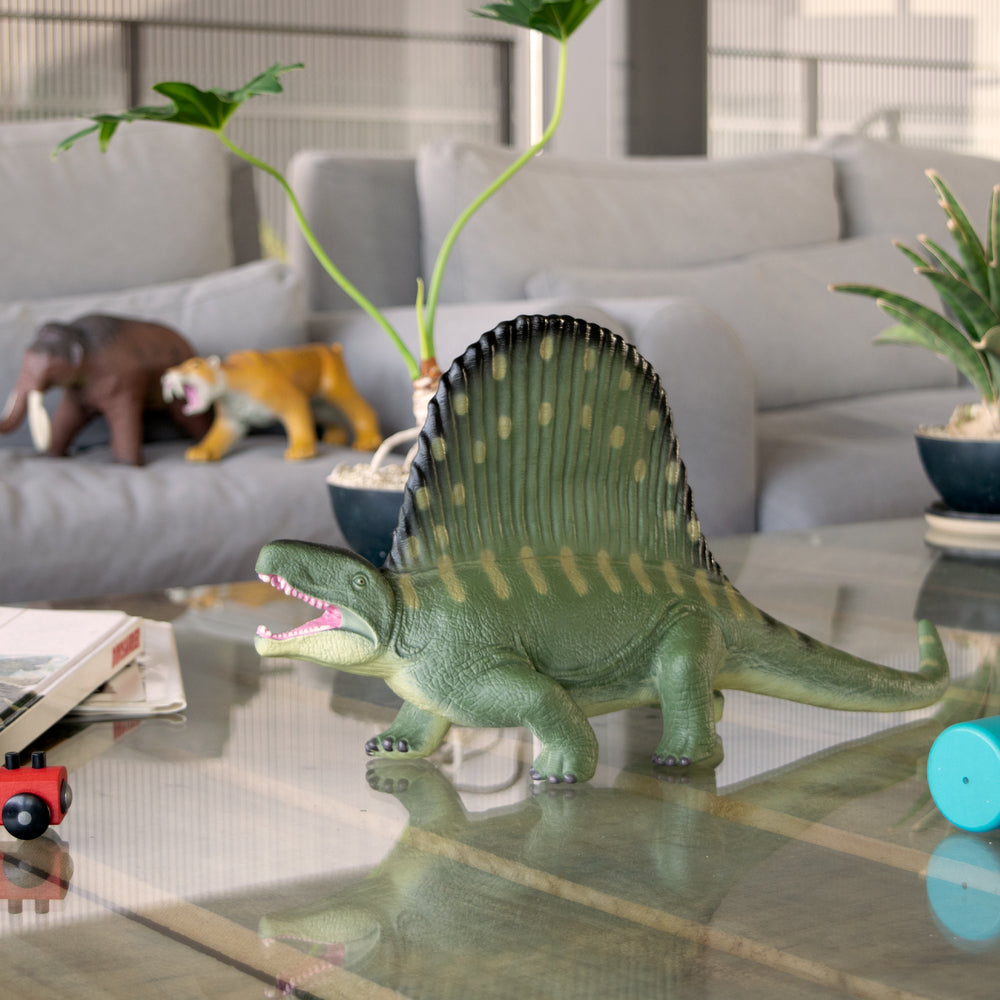
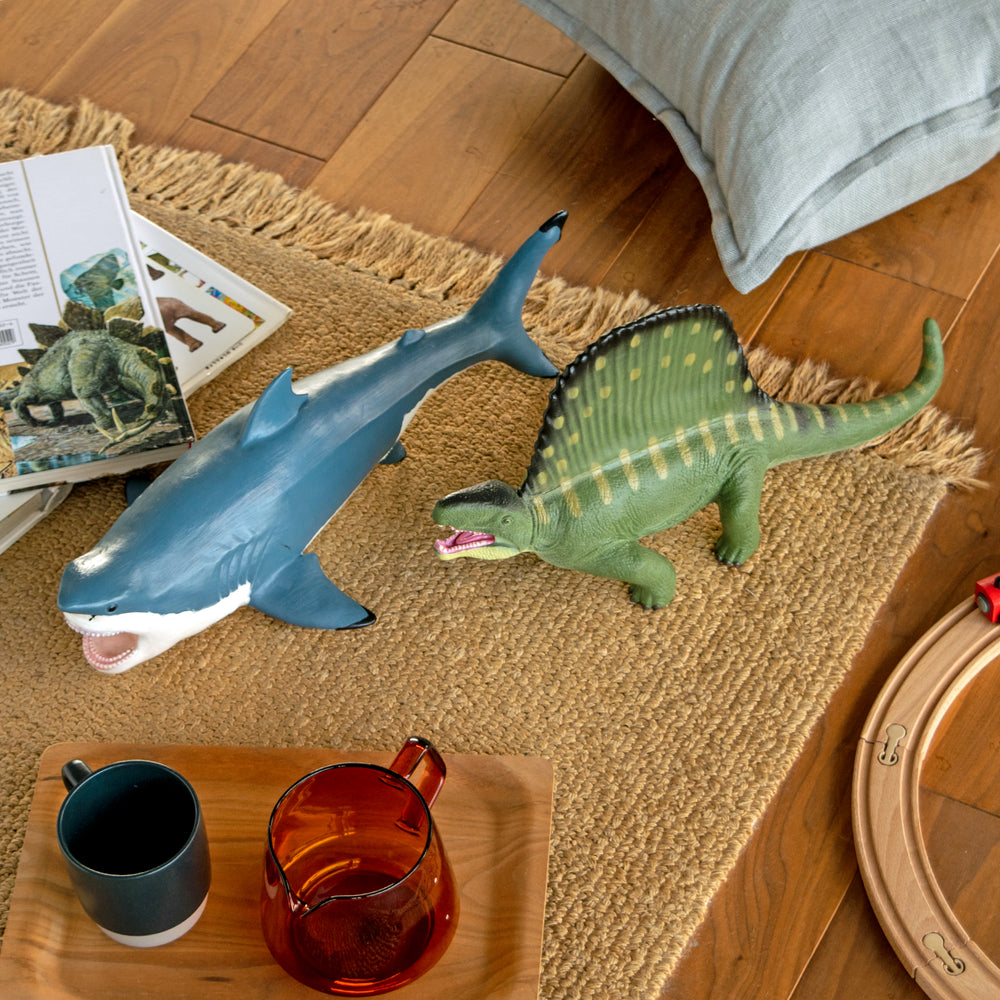
A Vinyl Model of Dimetrodon, a well-known prehistoric vertebrate alongside mammoths and Smilodon. Made from child-friendly materials, it can be enjoyed safely in the living room or a child’s room.
Note: Some color specifications have been changed.
Dimetrodon
Classification: Synapsida/Pelycosauria/Sphenacodontidae
Size: Body lengthapproximately 3meters
Period: Early Permian, Paleozoic Era
Dimetrodon
Interview with Supervisor Hirokazu Tokugawa
- Dimetrodon, which lived in what is now North America during the Early Permian, is now available as a Soft Model and a Vinyl Model. Mr. Tokugawa, what image or features of Dimetrodon did you want to capture?
- Among prehistoric vertebrates other than dinosaurs, Dimetrodon is as recognizable as the mammoth and Smilodon. It was also one of the largest land predators of the Early Permian. However, the sail and short neck make it difficult to imagine how it moved while hunting. Was it surprisingly flexible, or did it move more stiffly than modern monitor lizards? Since this model does not depict a dramatic action scene, I focused on a natural pose and on the proportions and details that make Dimetrodon distinctive.
- Some animals, including dinosaurs such as Spinosaurus, had sails, and several hypotheses have been proposed about their functions. Dimetrodon also had a tall sail. What role do you think it served?
- I suspect the sail served both display and thermoregulation, but I wonder which function was more important. It is interesting to imagine whether its color might have changed in relation to its function. Edaphosaurus, a herbivore from the same time and region, also had a similar sail, so I wonder whether there was a connection.
- You created the prototype. What concept guided your work?
- Dimetrodon
- What references, creatures, or images did you use during development? Were there any details you paid particular attention to while sculpting?
- For the general feel, I referred to the modern Komodo dragon, which is roughly similar in size, particularly for its sense of weight and skin texture. However, Komodo dragons are reptiles, whereas Dimetrodon belongs to a different evolutionary lineage, so I avoided making the model look too much like a Komodo dragon. As with the other models in the series, I carefully considered the shapes and proportions of each body part, including not only the sail but also the surprisingly short neck.
- The Soft Model and Vinyl Model have different color schemes. What ideas or references inspired each version?
- For the Soft Model, I chose a color scheme that feels natural while giving the figure presence despite its small size. I was also inspired by the chocolate-colored molded Dimetrodon figure from London’s Natural History Museum that I loved as a child. For the Vinyl Model, I referenced the green iguana, which is close to the product in size. Their lifestyles must have been very different, so I hesitated at first, but I tested several paint patterns before settling on the final colors.
- Finally, could you share your comments on this model?
- Dimetrodon
Supervisor Profile
Hirokazu Tokugawa
paleoartist/prehistoric lifereconstruction model artist
A dinosaur reconstruction model artist who creates works that combine academic research with the appeal of three-dimensional art, he is also a leading specialist in prehistoric life reconstruction models.