




Palm-sized Dinosaur Skull Figures
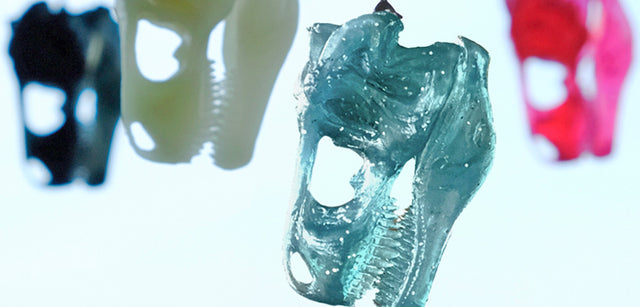
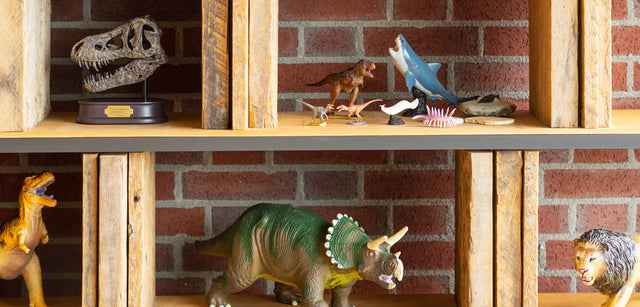
A mini figure modeled on the skull of Triceratops, often seen in museums and at dinosaur events. Its compact size makes it easy to display on a desk or shelf. An information card is included.
Triceratops
Classification: Ornithischia/Ceratopsia/Ceratopsidae
Size: Total length 7–9 meters
Period: Late Cretaceous
One of the largest ceratopsian dinosaurs, Triceratops lived during the Late Cretaceous and is highly recognizable alongside Tyrannosaurus. It is characterized by three long horns on its nose and above its eyes, from which its name is derived. Various theories have been proposed about the functions of these horns and the frill extending from the back of the head over the neck, including intimidation and defense against predators, as well as territorial competition and courtship between members of the same species.

Interview with Supervisor Hirokazu Tokugawa
- A new Skull Series has been added to the Dinosaur Mini Model lineup.
Dinosaur skulls are often seen in museums and at dinosaur events. What do you find particularly fascinating or interesting about them? - The skull is a part where many distinctive features are concentrated, not only in dinosaurs but in all vertebrates, making it one of the most important parts for understanding an animal. On the other hand, for many prehistoric animals, including dinosaurs, skulls are difficult to preserve as fossils. Even skulls displayed in museums can differ in shape depending on which parts were discovered and how they were reconstructed. These differences could be considered the individuality and appeal of each skull. Comparing different displays while paying attention to these differences can be a fun way to find your favorite.
- What points did you pay particular attention to when sculpting the master models?
- Overall, I based the work on conventional specimens and reference materials familiar to most people, referring to other specimens and related species where information was missing. Choosing and interpreting references was often difficult, and the work would not have been possible without the guidance of supervisor Professor Masato Watanabe. I also consulted Ren Hir...
For the three dinosaurs from Fukui, the goal was to reproduce the reconstructed skulls currently on display. I worked from many photographs taken at the Fukui Prefectural Dinosaur Museum and other locations. Through the Supervision process, I learned about details I had overlooked as well as important characteristics, which also gave me a renewed appreciation for the appeal of Fukui’s dinosaurs. - Finally, could you share your comments on this model?
- When creating reconstruction models, I usually make a simple skull as an internal framework. Sculpting the skull itself in such detail, as I did this time, was almost a first for me and gave me an opportunity to observe and study skulls closely once again. I hope this series inspires everyone to take an interest in skulls and discover them from a new perspective.
Supervisor Profile
Hirokazu Tokugawa
paleoartist/prehistoric lifereconstruction model artist
A dinosaur reconstruction model artist who creates works that combine academic research with the appeal of three-dimensional art, he is also a leading specialist in prehistoric life reconstruction models.