


Visual Dictionary

Tyrannosaurus

Tyrannosaurus

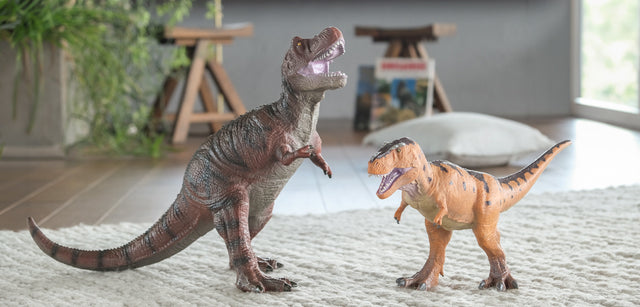
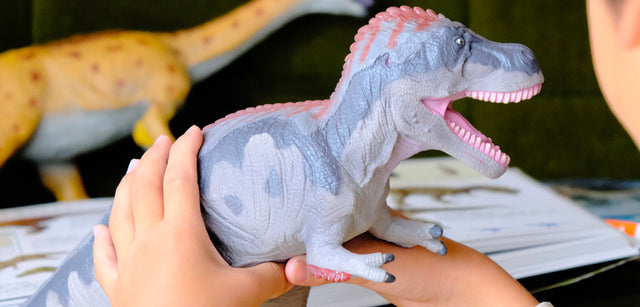
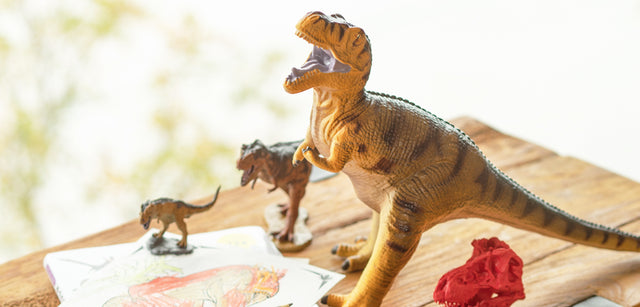
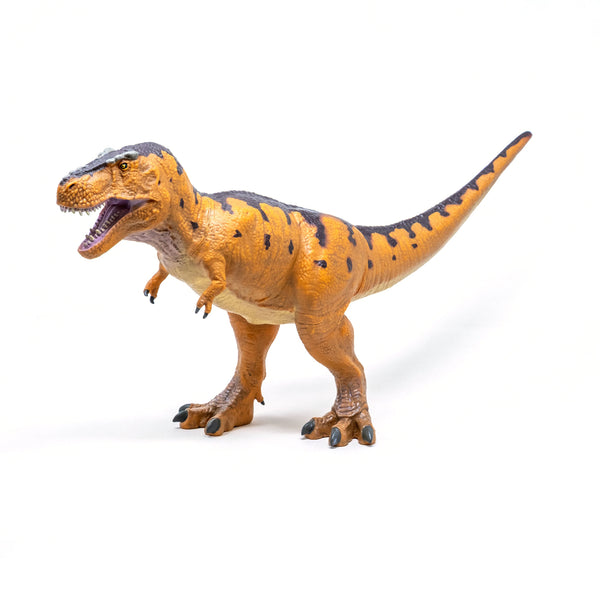
One of the most popular dinosaurs and one of the largest terrestrial carnivores in history. It inhabited all of present-day North America and was the last non-avian dinosaur to thrive until the moment of dinosaur extinction. More than 30 fossil specimens have been discovered worldwide, including almost complete skeletal specimens. Its mandible was larger than those of other theropods, and it is believed to have had an incredibly powerful bite force. Correspondingly, its teeth were also strong, with the front teeth, which experienced the most pressure, developing to be thick and long. The teeth had characteristic serrations, a structure suitable for tearing the flesh of prey. Although its forelimbs were atrophied and had only two digits, appearing weak at first glance, their power was strong, and it is believed they had enough strength to hold down prey. Truly the king of dinosaurs, befitting its name Rex (meaning king in Latin).

English name: Tyrannosaurus
Origin of name: Tyrant lizard
Classification: Saurischia / Theropoda / Tyrannosauridae
Size: Body length 12-14 meters / Estimated weight 7 tons
Habitat period: Late Cretaceous (70 to 65 million years ago)
Tyrannosaurus habitat
Tyrannosaurus skull and skeleton

Strong teeth

The sharp teeth of Tyrannosaurus could be over 30 cm long, with fine serrations along the edges. These are thought to have been used for tearing the flesh of prey. It had around 60 teeth, which were repeatedly shed and replaced.

Jaw capable of crushing bones

Its jaw was extremely powerful and robust, thought to be capable of crushing even the bones of its prey. Fossils of Edmontosaurus with parts of their bones bitten off, and Triceratops fossils with healed wounds from attacks, have also been found.

Weak forelimbs

In contrast to its sturdy and powerful hind legs, its forelimbs were very small with only two digits. The exact role of these forelimbs is not clearly understood. It is believed that they atrophied and became smaller due to being used very little. Also, no fossils of its forelimbs have yet been discovered.

Let's imagine the size

Tyrannosaurus size

Older Post Newer Post

RELATED PRODUCTS

関連商品