



Vol.27 哺乳類型爬虫類へのレクイエム
今年もあとひと月。世間はスターウォーズ一色で、その盛り上がりは夏のジュラシック・ワールドの比では無く、ちょっとジュラシーを感じてしまいます…すいません駄洒落ちゃいました。ところで未だにジェラシック・パークと誤解している人がいますが、訂正しづらいものですね。
今回の秘宝館は、「ジュラシック・ワールド」話に3回も費やしてしまったおかげで後回しになった「哺乳類型爬虫類」ですがその前に…
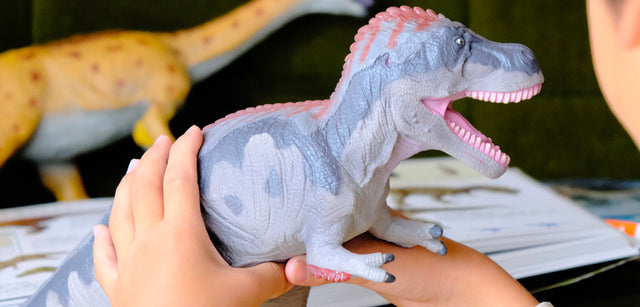
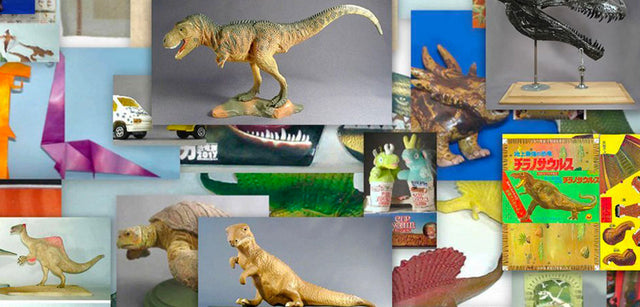
「その後手に入れたJWグッズ」のご紹介。まずはフィギュアの決定版、インドミナスVS ティラノサウルス。アメリカで発売されたブルーレイディスク・ギフトセットの物でビックリする位リアルです(写真1)。

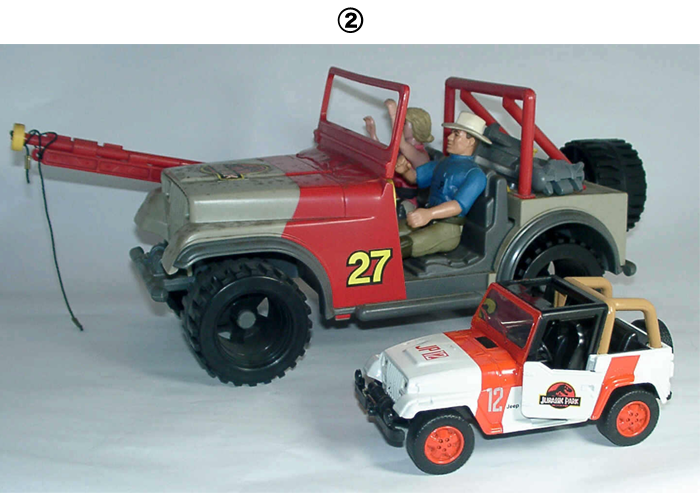
ティラノの首筋には1作目(と同じ個体という設定)でラプターにひっかかれた傷跡まであります。ビデオは日本語字幕が無いのですが、フィギュアに目が眩んでセカイモンで買ってしまいました。(写真2)は映画で、廃墟に眠っていた「ジュラシック・パーク」の車両、ジープ・ラングラ―の1/43ダイキャストミニカー(手前)。出来は玩具の域を出ませんが、こんなお涙物アイテムを出されては、ビークルには手を出さないという掟など何処かへ行ってしまいます。大きいのはギミック満載の1993年ケナー製。
では本題。今年読んだ「石炭紀・ペルム紀の生物」(技術評論社・2014年刊)という本の中にこんなショッキングな記述が…。
「(現在の理科の教科書では)爬虫類から哺乳類が進化したのでは無くなっているのである。」哺乳類と爬虫類はそれぞれ別個に両生類から進化したという説はうっすらと知ってはいましたが、まさか今の小学生にとって常識となっていたとは。そして何よりも、昔馴染みの哺乳類型爬虫類という名称が、爬虫類では無いと言う事で使われなくなったのだそうです。これは寂しい…。
著者は今やポスト金子隆一的大活躍のサイエンスライター、土屋健さん。
そう言われてみれば、学習図鑑の最新版には哺乳類型爬虫類の名は無く単弓類に置き換わっています。単弓類といえば昔から、無弓類、双弓類との3点セットで爬虫類の分類を示す側頭窓のイラストが図鑑の定番で、哺乳類の先祖の爬虫類という立ち位置でしたが、今や昇格して、有羊膜類の2大系統の一つになりました。もう一方は爬虫類です。単弓類(哺乳類も含む)VS爬虫類…何かつり合いがとれていないようでしっくりきませんが。
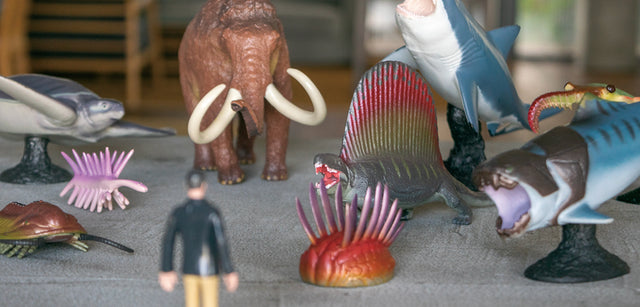
もっとも去年刊行された「週刊地球46億年のの旅」の有羊膜類誕生の17・18号では、執筆者によって「哺乳類型爬虫類(単弓類)」だったり、「かっては哺乳類型爬虫類と呼ばれていた単弓類」だったりして、まだ混乱している様ですが、いずれにしても「哺乳類型爬虫類」という長年親しんだ単語が消え去るのは時間の問題。別れを惜しんで、哺乳類型爬虫類フィギュア大集合です。このフィギュア達を哺乳類型爬虫類と呼べるのも今回限り…。
*と、ここまで書いて思ったのですが、長ったらしい「哺乳類型爬虫類」を連発すると(されると)少々イラっときますね。
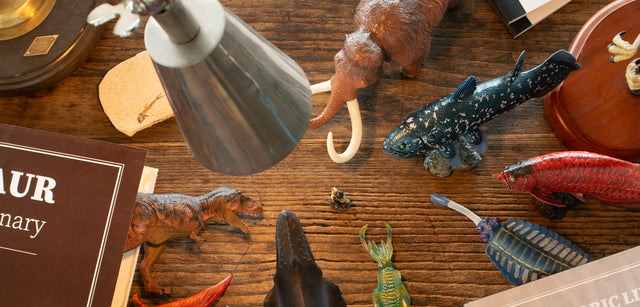
(写真3)最古の哺乳類型爬虫類フィギュアと思われる50年代のMARX製。スフェナコドン、ディメトロドン、キノグナトゥス、モスコプス

哺乳類型爬虫類の代表と言えばディメトロドンですが、そのフィギュアの数たるやティラノサウルスに次ぐのではないかと言う程で、とても並べきれませんので、ここでは何故か数少ない、骨格フィギュアを紹介します(写真4)。

左は、明治「恐竜の国チョコレート」の食玩を原型とした(秘宝館Vol.44)、5cm程の物。なかなか良い出来なので色を塗ってみたら、いい感じになりました。後ろは「Bone Age」という1988年の玩具シリーズのバーガーキングおまけバージョン。右は身元不明の駄玩具です。そして左上はDOMの白木の恐竜(秘宝館Vol.11)。
そんな古生物界の大スターのディメトロドンに比べ相対するエダフォサウルスは家中かき集めてもこれだけ(写真5)。

寂しい限りです。SAFARI、マルシン、STARLUX、アメリカ製の消しゴム。
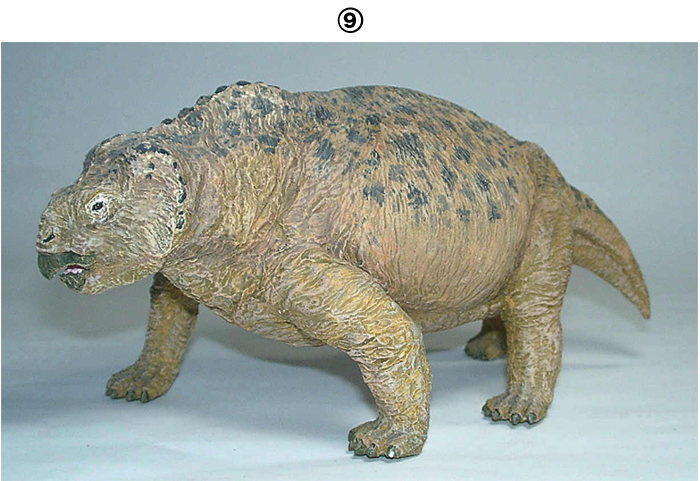
以前にも紹介した(秘宝館Vol.64)「あおむらさきプロダクト」の1/20ガレージキットですが、素晴らしい出来なので単体でもう一度。オフィアコドン(写真6)、コティロリンクス(写真7)、イノストランケビア(写真8)、スタレケリア(写真9)。


こちらは一品物お宝。造形作家ときわたけしさんの1990年の作品。アートなディメトロドンとキノグナトゥス。(写真10)

2010年開催の「世界最古の恐竜展」は恐竜展と言うよりはクルロタルシ類(この新しい呼び名も今時の学習図鑑では当たり前のように使われています。昔の図鑑だと槽歯類?)展でしたが、アルゼンチンの耳馴染みのない哺乳類型爬虫類も混ざっていました。その時の会場限定グッズです(写真11)。

エクサエレトドンの復元模型にガチャポンのエクサエレトドン、イスチグアラスティアの復元と骨格。そしてかなり不気味なエクサエレトドンぬいぐるみ。
その他の哺乳類型爬虫類フィギュア(写真12)
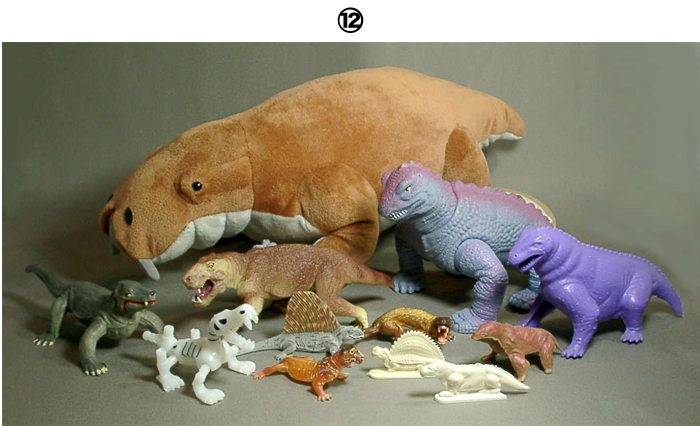
キノグナトゥス(STARLUX)、エオティタノスクス(ほねほねザウルス)、イノストランケビア(SAFARI)、リストロサウルス/ディメトロドン/トコロサウルス(チョコラザウルス)、スフェナコドン/ディメトロドン(SHREDDIES)、そして何故か人気のモスコプス(PLAYSKOOL)(不明)(不明)。後ろのぬいぐるみは「カンブリア紀より世界の動物」シリーズのディキノドンです。「新・秘宝館」前々回のJPシリーズのリカエノプスとエステメノスクスもご覧ください。
*故金子隆一さんが1988年に書いた「哺乳類型爬虫類―ヒトの知られざる祖先(朝日選書)」はいまだに唯一無二の哺乳類型爬虫類本です。金子さんの本らしくこれでもかと掘り下げた内容で、既に今日の「爬虫類とは別系統説」にも触れています。ただ帯の「ヒトはかって爬虫類だった」というキャッチコピーはちょっと空しい…。
これで「哺乳類型爬虫類」とは永遠にお別れですが、ついでに数少ない中生代の哺乳類フィギュアも紹介しておきましょう。
(写真13)左二つはジュラ紀後期のヘンケロテリウム。2004年のNHK番組と連動した食玩「原色地球大進化図鑑」と2006年にジオラマ付きでガチャポンとして再版された「恐竜大図鑑」(ユージン)。右は映画「ウォーキング・ウィズ・ダイナソー」のフィギュアで白亜紀後期のアルファドン。

そして(写真14)は白亜紀前期の中国産、ツァンヘオテリウム。数年前のミネラルショーで手に入れたレプリカと復元骨格模型ですが、レプは気泡だらけ、模型は見事につぶれた状態という悲惨な有様の物を1/3程の値段で購入、ネットの写真を見ながら自分で修復したという“かわいい奴”です。同じ物を今年の夏新装オープンした科博で発見した時は、思わずニンマリしてしまいました。http://pepper.kmnh.jp/top/index.php?sub=content&contentid=1204

さて、年の締めくくりはやはり恐竜の話題で。昨年ユニークなイラストが発表されて恐竜界を騒然とさせた、水棲スピノサウルスとついに正体を現したデイノケイルスが、今年量産フィギュア化されました(写真15)。

スピノ2ポーズはCOLLECTA社、デイノケイルスは神流町恐竜センターから発売。スピノは造形はまずまずなのですが、ウツボのイメージなのでしょうか、全身にちりばめられた黒い斑点が、なにかビョーキみたいで気持ち悪く、できればもうひと組買って塗りなおしたいところ。デイノケイルスは、小林快次博士が原型を手にとって監修している模様がNHKの番組で放送されたのを見てかなり期待して購入したのですが、届いた物は、何故か口がうっすらと筋彫りはあるものの先端部分しか彩色されていなくて、まるで頬があるハドロサウルスの様な顔をしていました。歯が無いオルニトミモサウルス類に頬があるのはいくらなんでもおかしいので、泣く泣く(オリジナルを損ねるわけですから)目元まで口を描いてしまいました。
最後に、現在進行中のワクワクする様な恐竜プロジェクトを紹介します。中国在住の若き恐竜研究者、黒須珠子さんが新種のドロマエオサウルス類の記載論文を書くのを応援しようというプロジェクトです。こちらをご覧ください。
https://academist-cf.com/projects/?id=20
黒須さんは実は1999年の「内モンゴル恐竜発掘体験ツアー」で知り合った恐竜仲間で、当時彼女はまだ中学生、なんと単身参加していました(写真16)。

あの時のかわいらしい少女がこんなに立派に…と思わず感涙にむせぶ一方、時の経つのを実感させられ「長いこと恐竜マニアをやっているんだなあ…」としみじみとしたりして…。
それはともかく、新種のドロマエオサウルスの記載に少しでも関われるというだけでも恐竜ファンとしては「お宝」ですが、コレクターとしてはリターンの限定グッズもおいしいです。
では、良いお年を。
← Older Post Newer Post →

田村 博 Hiroshi Tamura
ジャズピアニスト。1953年1月27日生まれ。
恐竜倶楽部草創期からのメンバー。恐竜グッズ収集家として知られる。東京、横浜のライブハウスを中心に活動中。
1996年に、ベースの金井英人のグループの一員としてネパールでコンサートを行った。「開運なんでも鑑定団」などテレビ番組や雑誌に度々登場。「婦人公論」2002年7/22号で糸井重里氏連載の「井戸端会議」で国立科学博物館研究室長・富田幸光氏と対談。千葉県市川市のタウン誌「月刊いちかわ」に、恐竜に関するエッセイを半年間連載。1998年の夏には群馬県と福島県の博物館の特別展にコレクションを提供。2000年夏には福井県「恐竜エキスポふくい2000」にコレクションを提供、サックス奏者、本多俊之とのデュオで、恐竜をテーマにしたコンサートを行った。